Nature & Outdoor Adventures
Listening Walk for Kids: Explore Outdoor Sounds and Make a Sound Map
 Facebook
 Pinterest
 X
X LinkedIn
 Reddit
 WhatsApp
 Telegram
 Bluesky
 Email
Email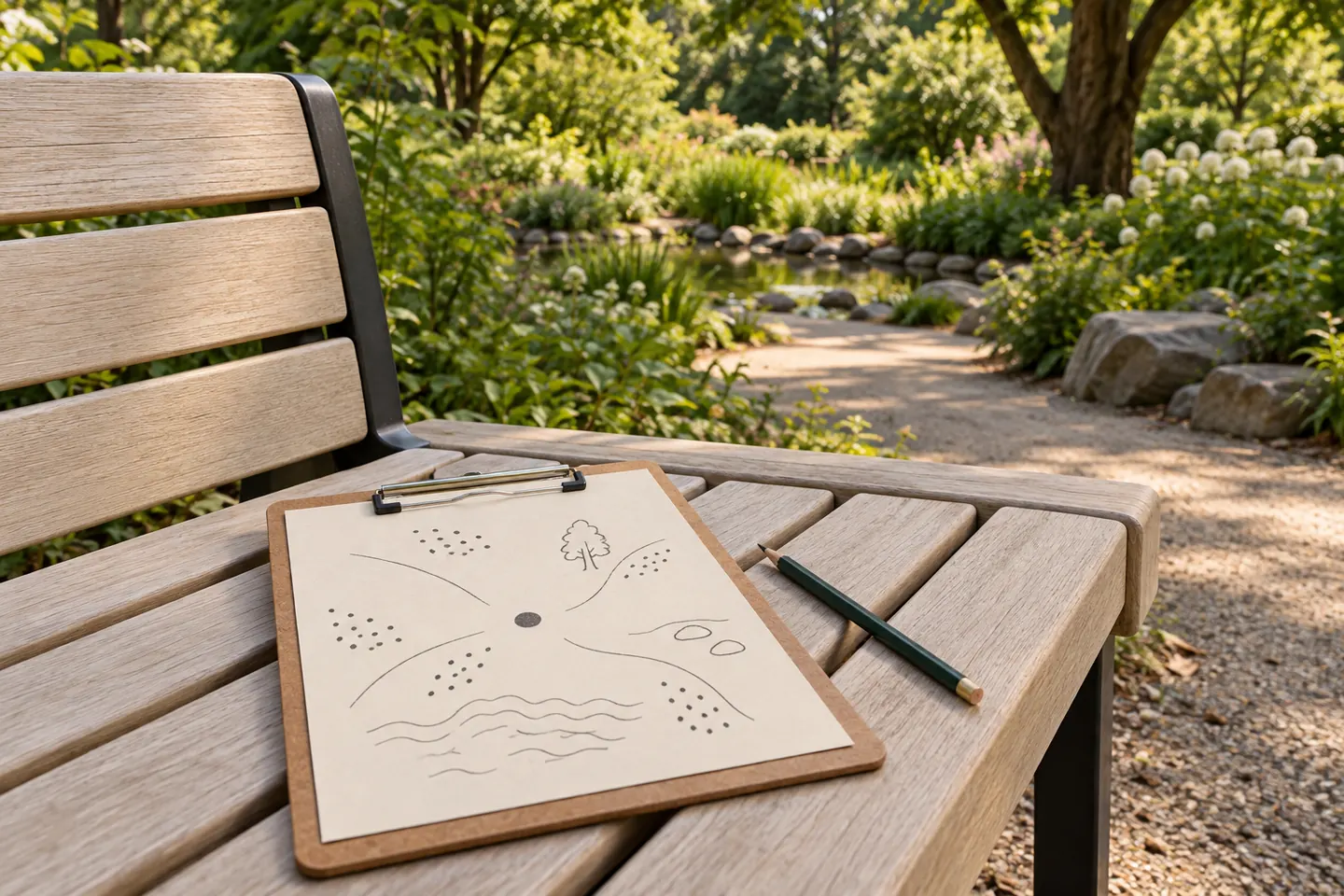
A rustle, a chirp, a passing hum—familiar places hold sounds we may miss when we hurry through them. A listening walk gives children time to notice one or two sounds and draw where they seem to come from.
The map can be simple: a dot for the listener and marks around it for sounds. A seated listening spot works, too, and visual observations offer another way to explore the same place.
At a glance
- Suggested ages: 4–10.
- Preparation: About 10 minutes to check a route; allow 15–30 minutes outdoors.
- Group size: One child with an adult, or a supervised small group.
What you need
- One sheet per child or pair.
- A pencil or crayon.
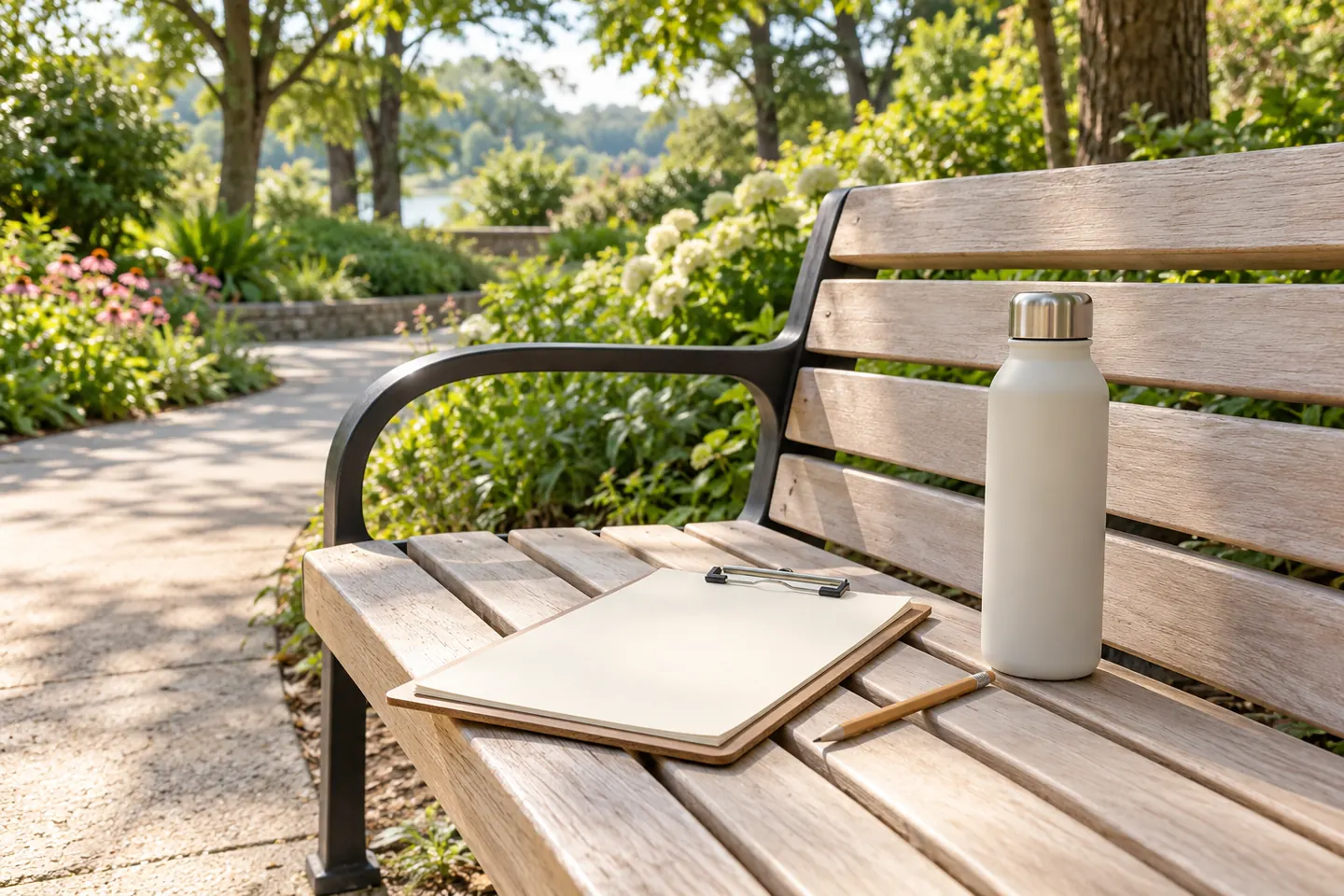
- A clipboard or firm cardboard backing.
- Suitable clothing and the setting’s usual outdoor supplies.
For 24 children, choose 12 pair maps or 24 individual ones and follow your usual supervision arrangements. Plan two nearby stopping places. No recording app or audio equipment is needed.
Plan the route
Adults check access, boundaries, weather, and comfortable stopping spots. Explain that the group stays together and notices sounds from the agreed area. Nobody needs to follow a sound away from the route or close their eyes to listen.
Make a sound map
1. Mark your place
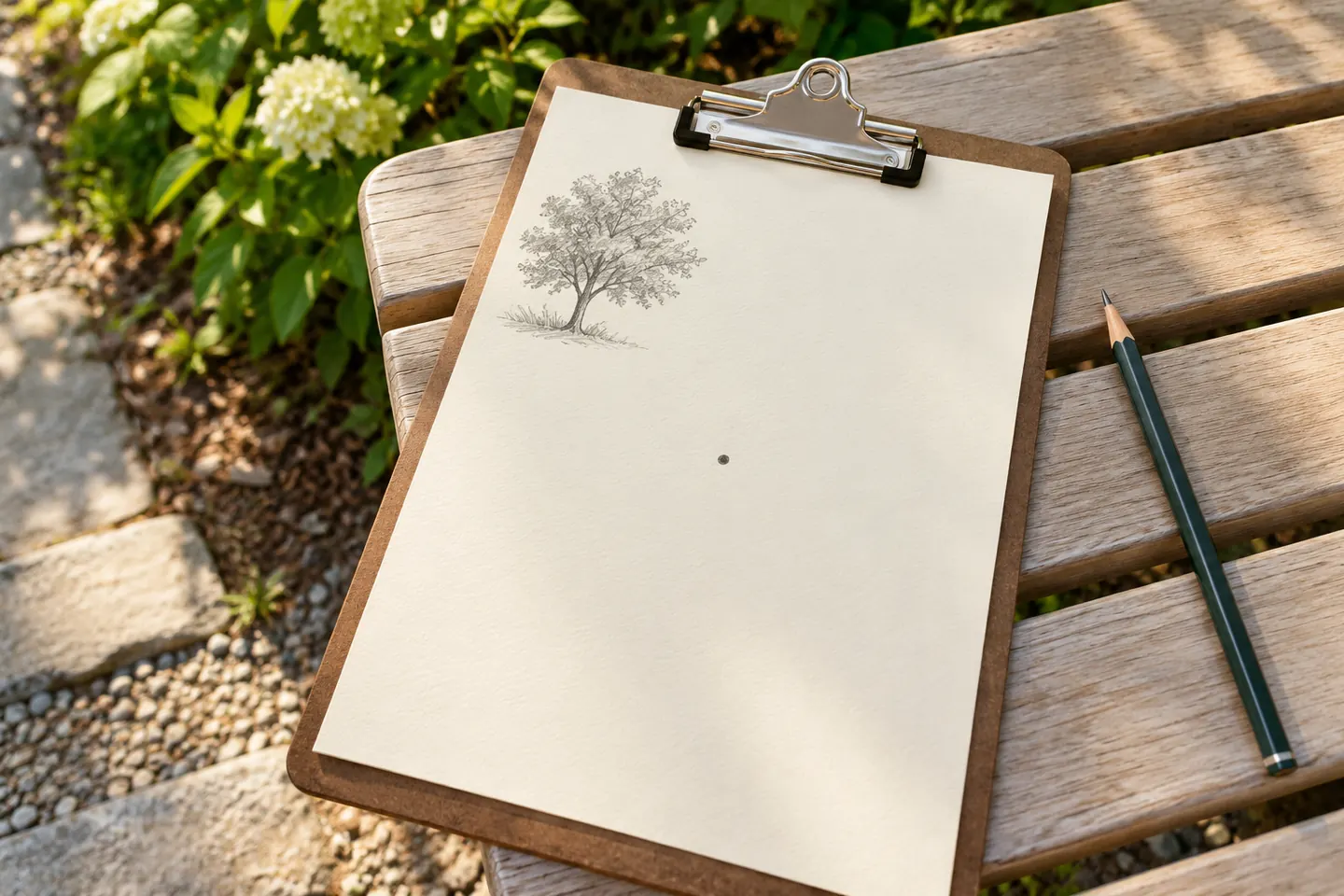
Draw a small dot, person, or circle in the paper’s center for where you stand or sit. Add one landmark, such as a tree or bench, if that helps orient the drawing.
2. Pause for a short listen
Try around thirty seconds, adjusting for the children. Ask them to notice one sound they can describe. Repeat the pause if they would like another chance.
3. Describe what you hear
Was it a tap, hum, rustle, or chirp? Did it repeat? Welcome invented sound words. If the source is not visible, a question such as “Could it be a bird?” can stay beside the observation.
4. Add a mark
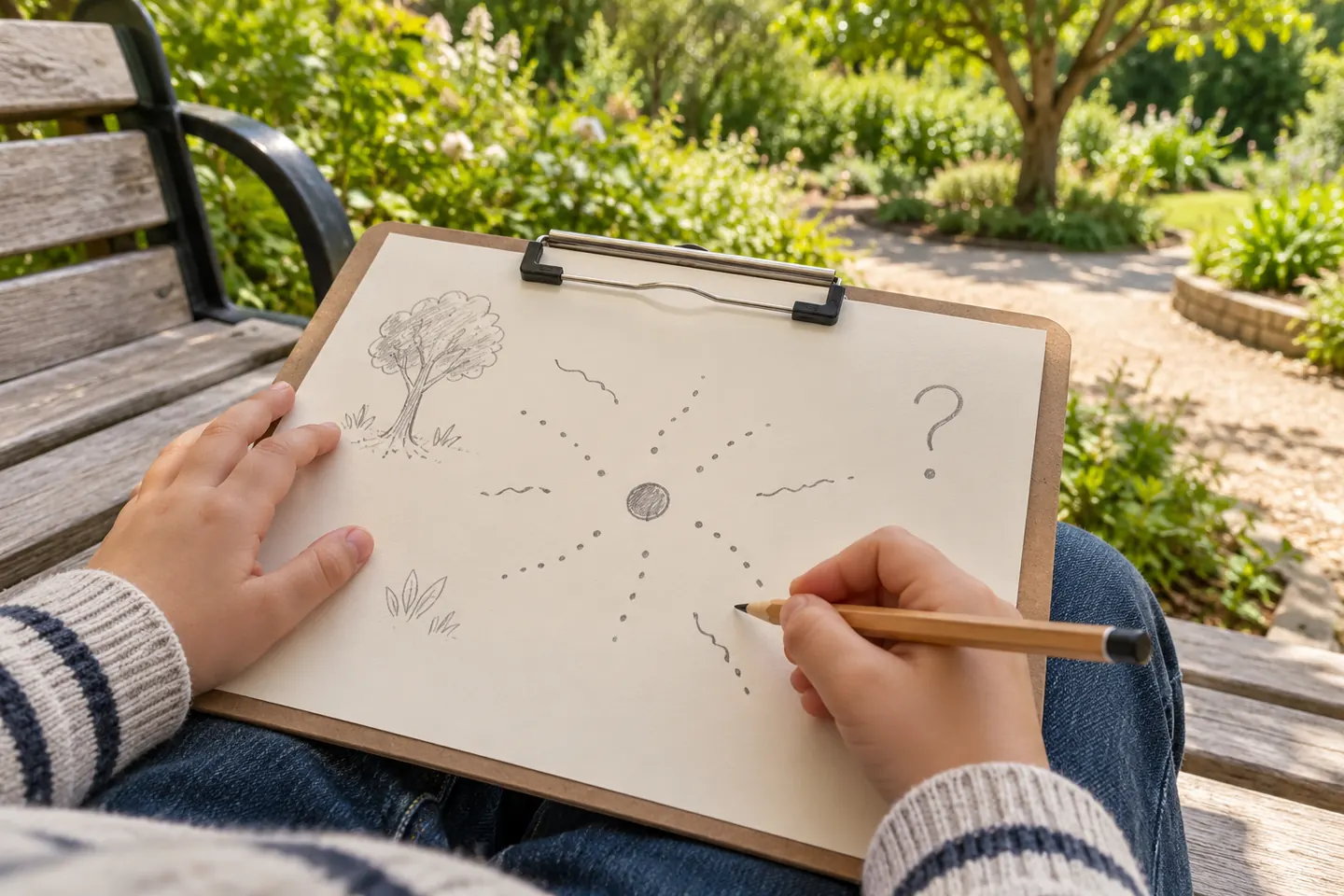
Draw a symbol in the direction the sound seemed to come from. Wavy lines might show rustling and dots repeated taps. A question mark works when the direction is uncertain; the map is a personal sketch rather than an exact plan.
5. Try the next stop
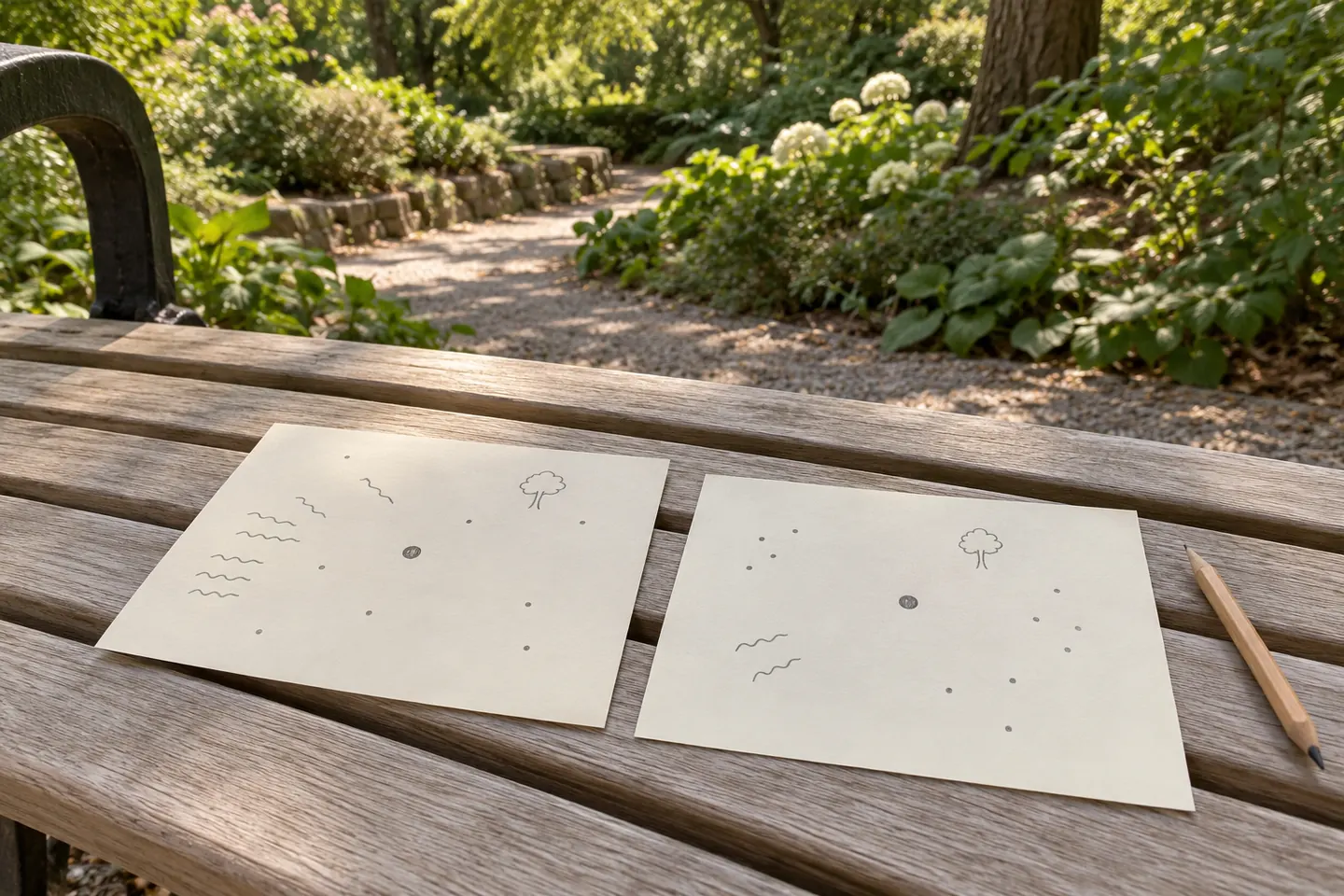
Walk together to the second place. Make another small map using a similar listening interval. Ask which sounds are familiar, new, or no longer noticeable.
6. Share one discovery
Invite a child to point to a mark and explain it. An adult can write a short caption. Compare observations from this visit without assuming a passing sound describes the place all day.
What children can explore
The activity connects listening, description, and position. Ask, “What made that sound easy to notice?” or “Which mark helps you remember it?” Buildings and several sound sources can make direction tricky, so an uncertain observation is still worth recording.
At home and in the classroom
At home, compare a doorway and a garden seat. In class, pairs can swap listening and recording roles. A single quiet stopping place can be enough when moving a group is difficult.
Make it work for your group
Offer shorter pauses, visual maps of movement, descriptions from a partner, or a place farther from uncomfortable noise. Children who cannot access the sounds can map visible activity such as moving leaves or passing vehicles.
Helpful fixes and cleanup
Busy soundscape? Focus on one kind of sound. Unclear direction? Add a question mark. Weather unsuitable? Observe from indoors. Gather the maps and supplies, then return another day to see what is different.