Sensory & Quiet-Time Activities
Create a Quiet Observation Drawing Station
 Facebook
 Pinterest
 X
X LinkedIn
 Reddit
 WhatsApp
 Telegram
 Bluesky
 Email
Email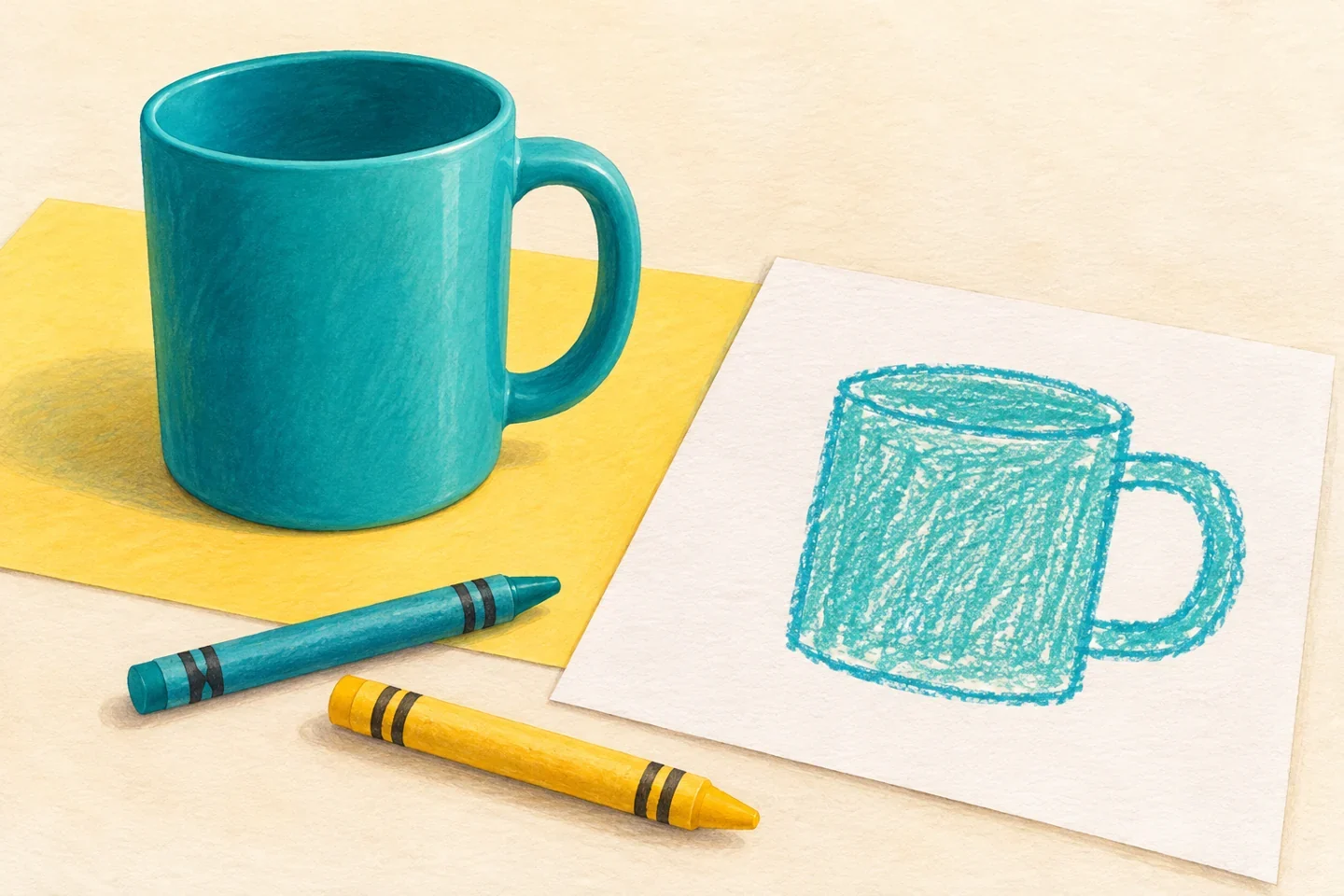
One familiar object can provide enough detail for a short drawing session. Children look at an edge, curve, or large shape and decide which details to put on paper. The aim is noticing, not producing a realistic copy. Unlike a nature scavenger hunt, this activity uses a single indoor object in a stable, uncluttered station.
At a glance
| Suggested ages | 5–10 |
|---|---|
| Activity time | 15–30 minutes |
| Adult setup | 5–10 minutes |
| Participation | Individual or small group; watching, pointing, and partner assistance are welcome |
What you need
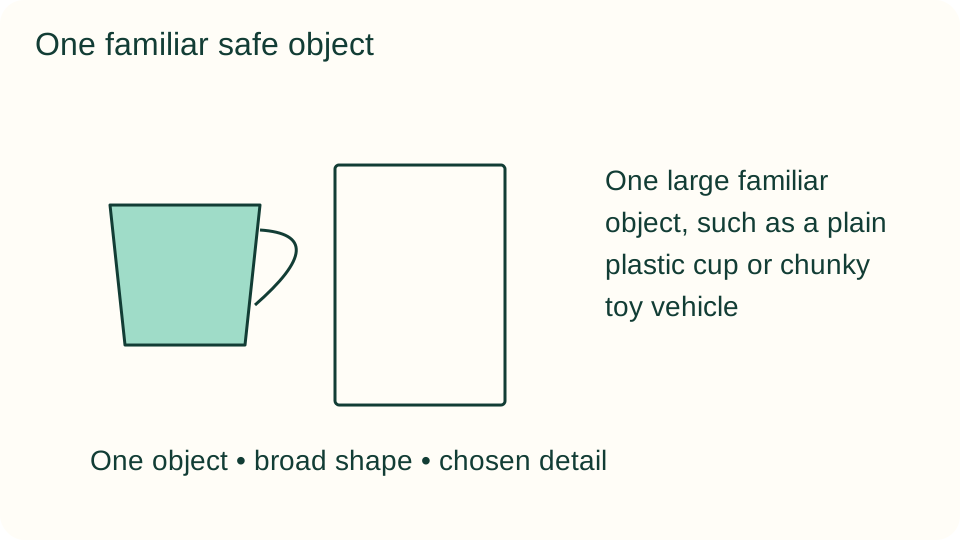
- One large familiar object, such as a plain plastic cup or chunky toy vehicle
- Plain paper and two familiar drawing tools
- A stable tabletop, contrasting background sheet, and optional paper support
Get ready
Choose an object without sharp edges, fragile parts, accessible batteries, or loose small components. Keep it at a comfortable viewing height. A background sheet can make the outline easier to see. Do not use special lighting that shines into eyes or requires an unusually dark room.
Try the activity
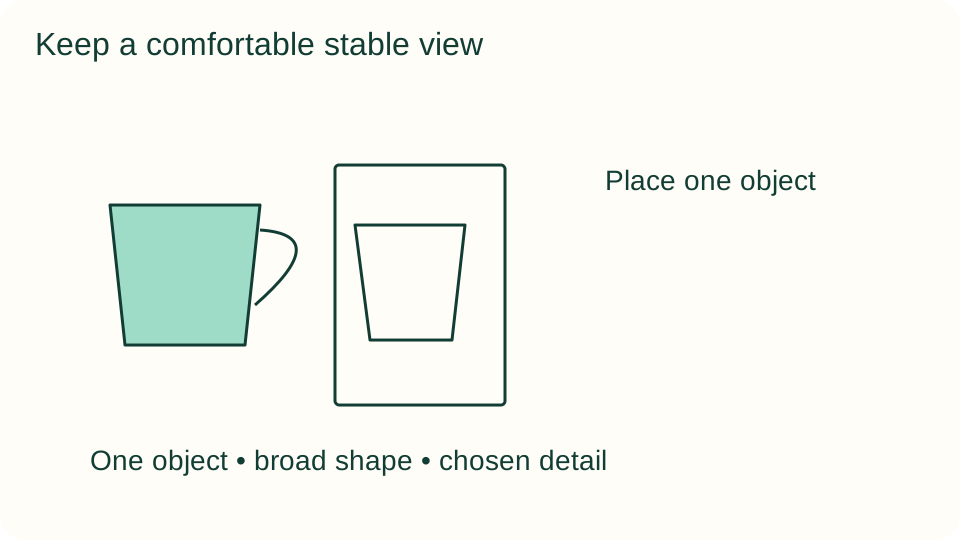
1. Place one object
Set the object on the contrasting sheet with space around it. Let the child choose a comfortable viewing position. Once drawing begins, keep the object in the same orientation unless the child intentionally wants a new view. Put unrelated supplies away.
2. Look for a broad shape
Ask which large part catches the child's attention: a round rim, a long side, or a wheel. They can point, describe it, or draw a loose outline. Avoid telling them what the shape should be before they have a chance to look.
3. Notice one edge
Offer a specific question such as whether one edge is straight, curved, or partly hidden. Trace that edge in the air without touching the child's paper. A drawing can show only this detail; reproducing the full object is not a requirement.
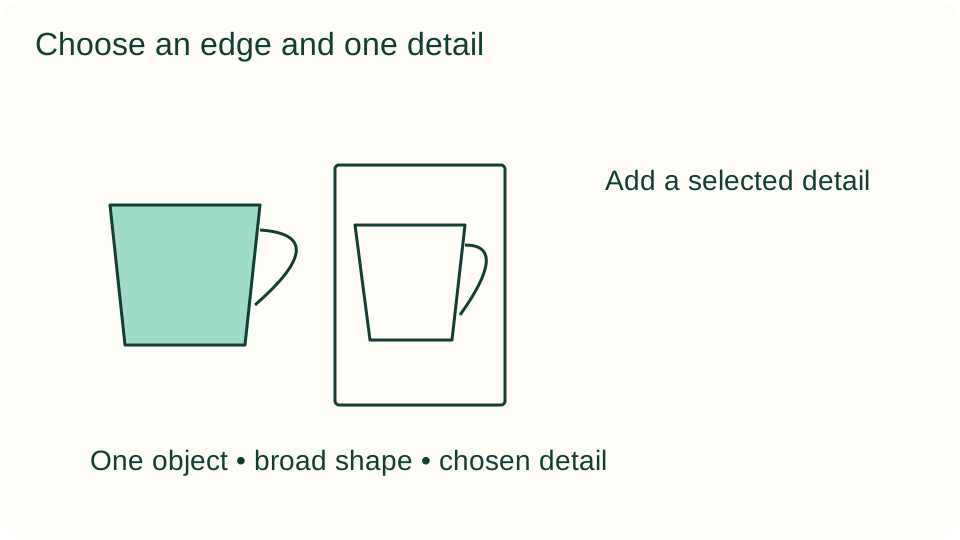
4. Add a selected detail
Invite one feature the child wants to include, perhaps a handle or a darker area. Give time to look back at the object between marks. If they invent an extra decoration, distinguish observation and invention conversationally without erasing their choice.
5. Try another viewpoint if wanted
After the first drawing, turn the object slightly or move to a second comfortable seat. Use another page if the child wants to compare outlines. A different view is an optional next investigation, not a correction to the original drawing.
6. Choose what to keep
Ask whether the child wants to add something, leave the page as it is, or return later. They can dictate a short observation for an adult to write on a separate note. Do not require a caption, name, or explanation before the drawing can be saved.
What children can explore
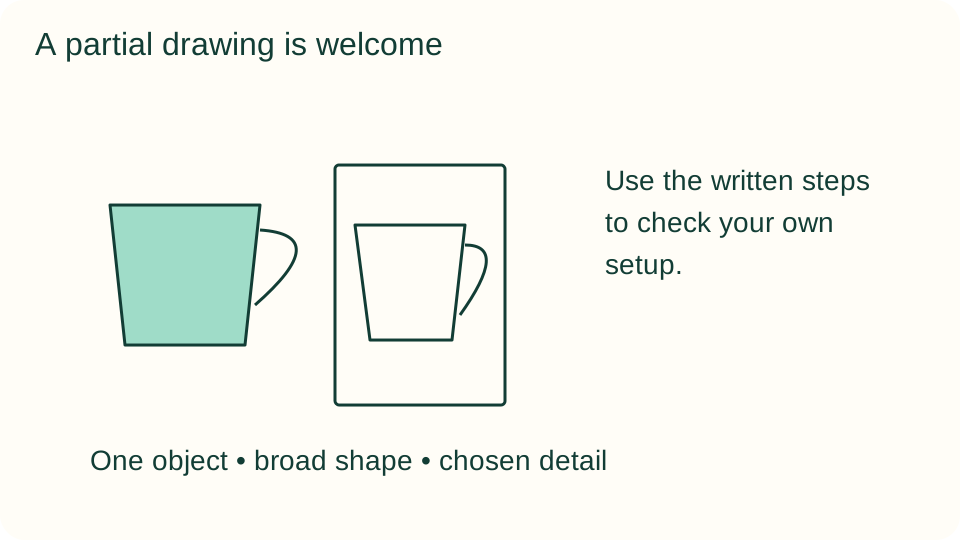
Observation drawing invites repeated looking and decisions about which features matter. A simplified, enlarged, or incomplete drawing may still reflect careful observation. This activity is not a test of artistic skill. Ask what the child noticed that was not obvious at first, accepting pointing or a brief demonstration as an answer.
Make it work for your group
Use a larger object with a clear outline, thicker tools, or bigger paper for easier access. A child may trace a separate adult-drawn outline or simply select details verbally. Older children can compare two views or add a shadow seen on the table, without needing technical shading lessons.
At home and in the classroom
At home, share one object while using separate pages. In a classroom, place an object where a small group can see without crowding, or duplicate the station with similar safe objects. Keep prompts occasional rather than narrating every mark, and allow quiet looking without a finished picture.
Return to it another day
If the child wants to return, save usable materials and unfinished work together. Ask which part they would like to try again rather than increasing the difficulty automatically. Watching, using a tool, choosing another material, or stopping are valid options; this guide does not promise a particular emotional response.
Helpful fixes and cleanup
If a detail is hard to see, change the background or viewing position rather than insisting the child concentrate harder. Store unfinished drawings flat and return the object to its normal place. Check the tools and clear the table, saving an observation note only if it would help another session.