Nature & Outdoor Adventures
Puddle Changes: An After-Rain Investigation for Kids
 Facebook
 Pinterest
 X
X LinkedIn
 Reddit
 WhatsApp
 Telegram
 Bluesky
 Email
Email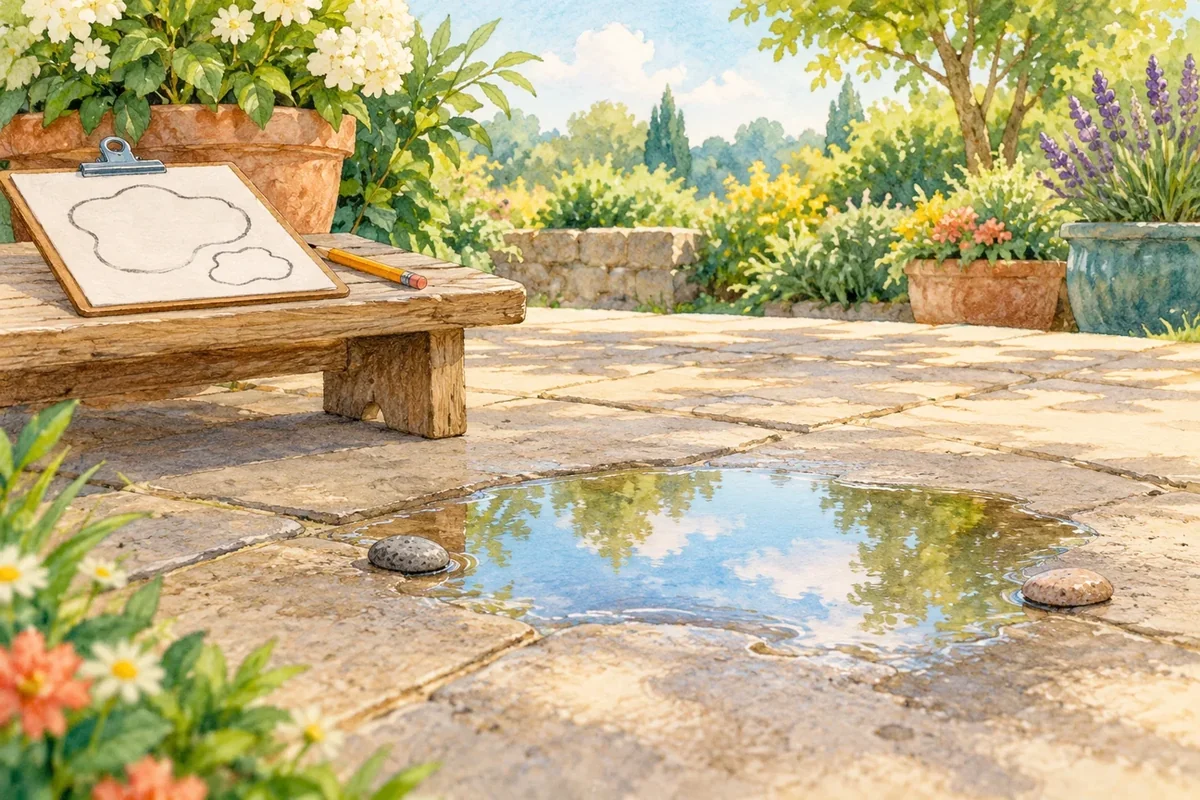
A shallow puddle can change between two visits. Children record its outline using nearby landmarks, return from the same safe position, and compare what they can see. The puddle may shrink, grow, or remain much the same. The activity focuses on accurate records rather than proving a single explanation or waiting outdoors until every drop disappears.
At a glance
| Suggested ages | 5–10 |
|---|---|
| Activity time | 20–30 minutes, plus a later revisit |
| Adult setup | 5–10 minutes |
| Participation | Individual or small group; watching, pointing, and partner assistance are welcome |
What you need
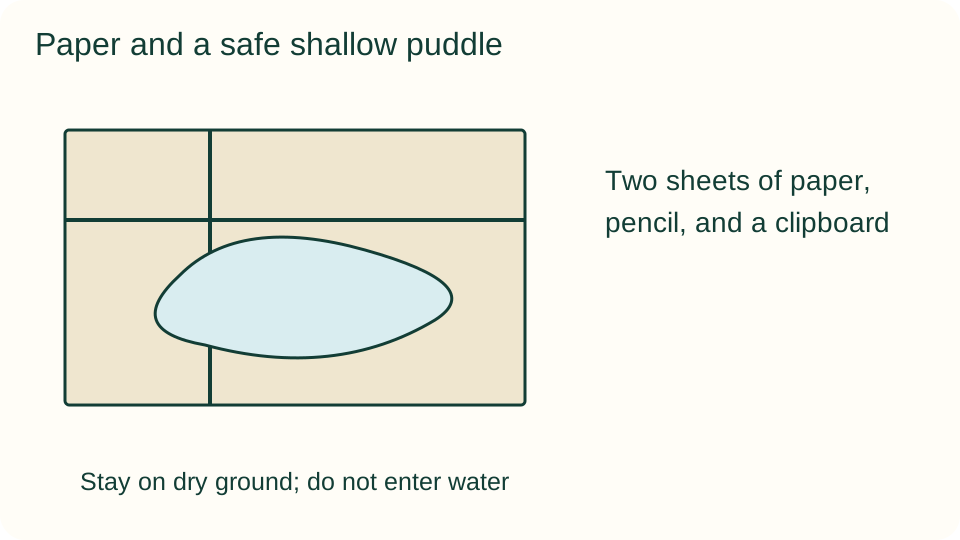
- Two sheets of paper, pencil, and a clipboard
- A clock or timer for recording observation times
- An optional ruler held by an adult from dry ground
- A shallow puddle on an adult-approved level surface away from traffic and drains
Get ready
Wait until storms have passed and conditions are safe. An adult selects a small shallow puddle with a dry, stable viewing place and clear supervision boundaries. Avoid flooded areas, drains, water edges, dirty runoff, and slippery surfaces. No one touches, tastes, or enters the water. If a safe puddle is unavailable, postpone rather than choose a risky location.
Try the activity
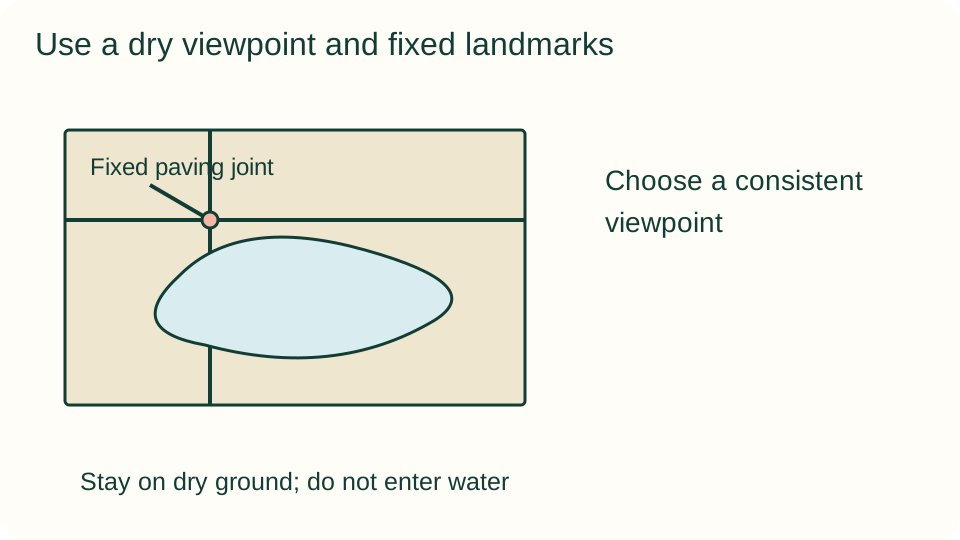
1. Choose a consistent viewpoint
Stand or sit at the agreed dry spot and identify two fixed features beside the puddle, such as paving joints or a planted border. These will help you compare later views. Do not place objects into the water or lean across it to create measuring points.
2. Draw the first outline
Sketch the puddle's broad edge and the fixed landmarks on the first sheet. Include visible dry areas around it. Write or dictate the observation time. Explain that a hand drawing is an approximate record: small differences between sketches may come from drawing as well as from the puddle.
3. Add visible details
Notice whether the edge is smooth, irregular, or broken into separate patches. Record nearby wet pavement if it helps distinguish the puddle from a damp surface. An adult may compare an accessible edge with a ruler from dry ground, but measurement is optional and must not require reaching.
4. Plan a later visit
Agree on a later observation time that fits your day, such as after another indoor activity. Leave the puddle undisturbed and return indoors or to another supervised place. Do not promise that a visible change will happen within a particular number of minutes or keep children waiting by the water.
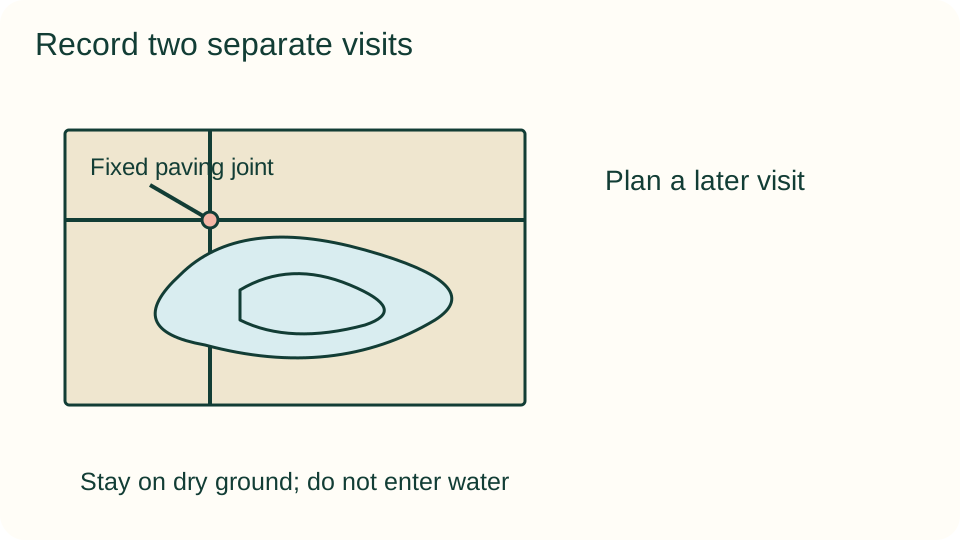
5. Observe from the same place
Return together only if the location remains safe. Use the original dry viewpoint and the same landmarks. Make a second sketch before comparing it closely with the first. Record the actual time and any changes in conditions that the group noticed, including another shower or fresh wet patches.
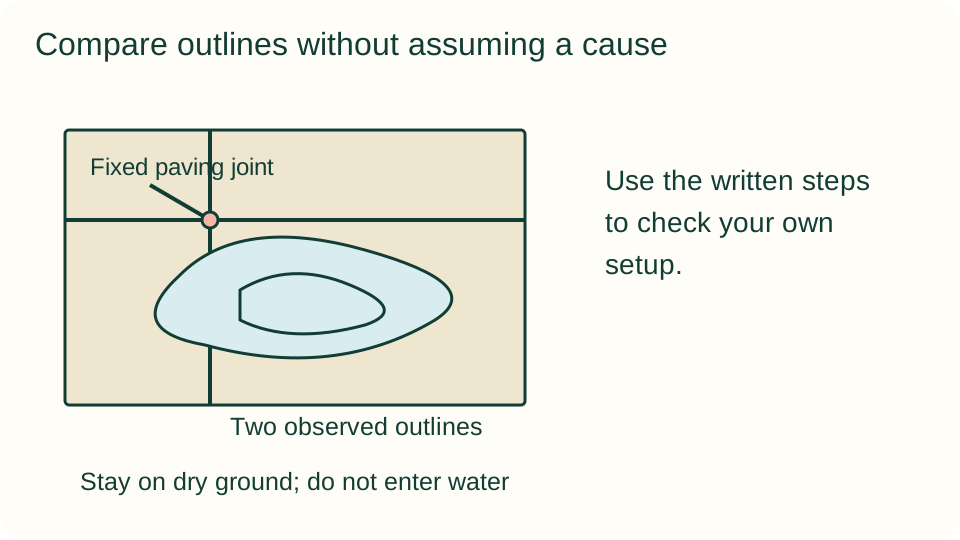
6. Compare without guessing too far
Place the drawings side by side and describe changes in outline or visible water. Distinguish what you saw from possible explanations. Water may evaporate, soak into the surface, or drain away; a smaller outline alone does not tell you which process caused the change. Record uncertainty alongside the result.
What children can explore
Fixed landmarks and a consistent viewpoint make comparison easier, although the drawings are not exact measurements. Ask which edge changed most and whether another observation could clarify the pattern. If the puddle looks unchanged or is gone by the second visit, that is still useful information to record honestly.
Make it work for your group
Younger children can describe bigger, smaller, or similar while an adult sketches. Older participants can add more visits and a simple time table, provided the adult continues to check the site. A window view is suitable if the same puddle and landmarks remain visible. Do not require photographs or an outdoor trip.
At home and in the classroom
At home, use a permitted patio or familiar level path. In a classroom, view one suitable puddle with a small supervised group and share sketches indoors afterward. Keep other children out of busy pedestrian routes. Everyone may observe from the same position without needing to take turns approaching the water.
Return to the observation
Keep the original record with any later notes so changes remain visible. Before returning outdoors, an adult checks permission, access, and current conditions again. Repeat only the parts that interest the child, and record what actually happens rather than recreating an expected result.
Helpful fixes and cleanup
Stop if the dry viewing area becomes slippery, weather changes, or the route is no longer clear. Do not splash or disturb the water to make the second drawing different. Gather tools, store the two timed sketches together, and wash hands after the outing, especially before food or snacks.