Winter & New Year’s
Make a Winter Animal Track Matching Game
 Facebook
 Pinterest
 X
X LinkedIn
 Reddit
 WhatsApp
 Telegram
 Bluesky
 Email
Email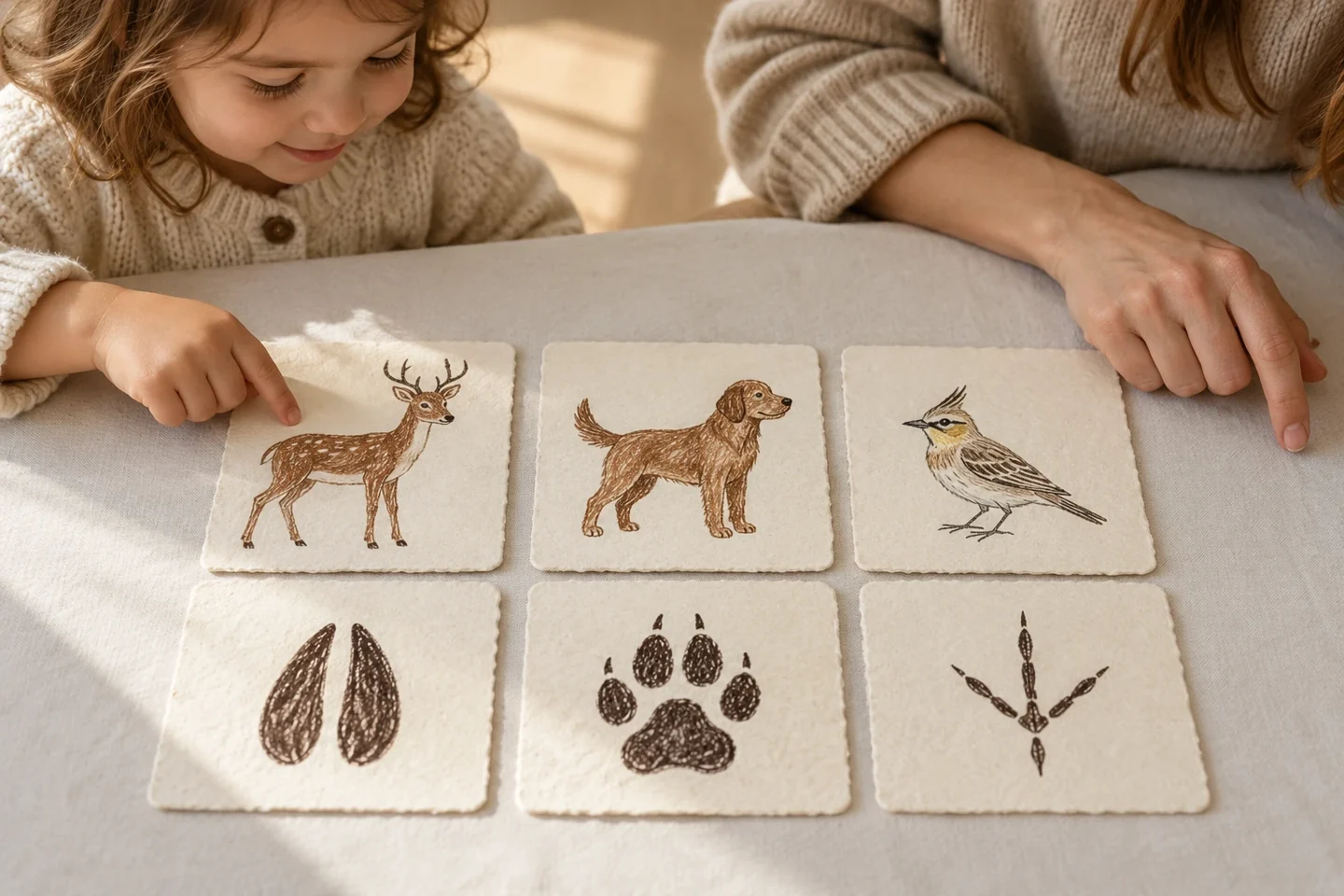
Your activity at a glance
| Suggested ages | 5–10 years |
|---|---|
| Activity time | 30–40 minutes |
What you need
- 6 card rectangles, about 10 × 15 cm
- Pencil and crayons
- A verified animal-track reference for adult preparation
- 3 extra sheets of paper, optional
- Scissors for adult preparation
Find the clues in a footprint
Animal tracks invite careful looking: a split hoof looks different from a paw, and a bird’s toes leave a different shape again. This tabletop game uses simplified picture cards to practice comparison before any outdoor exploration. Begin with three visibly different examples—deer, dog, and bird—rather than many similar prints that are hard to distinguish.
Before you begin
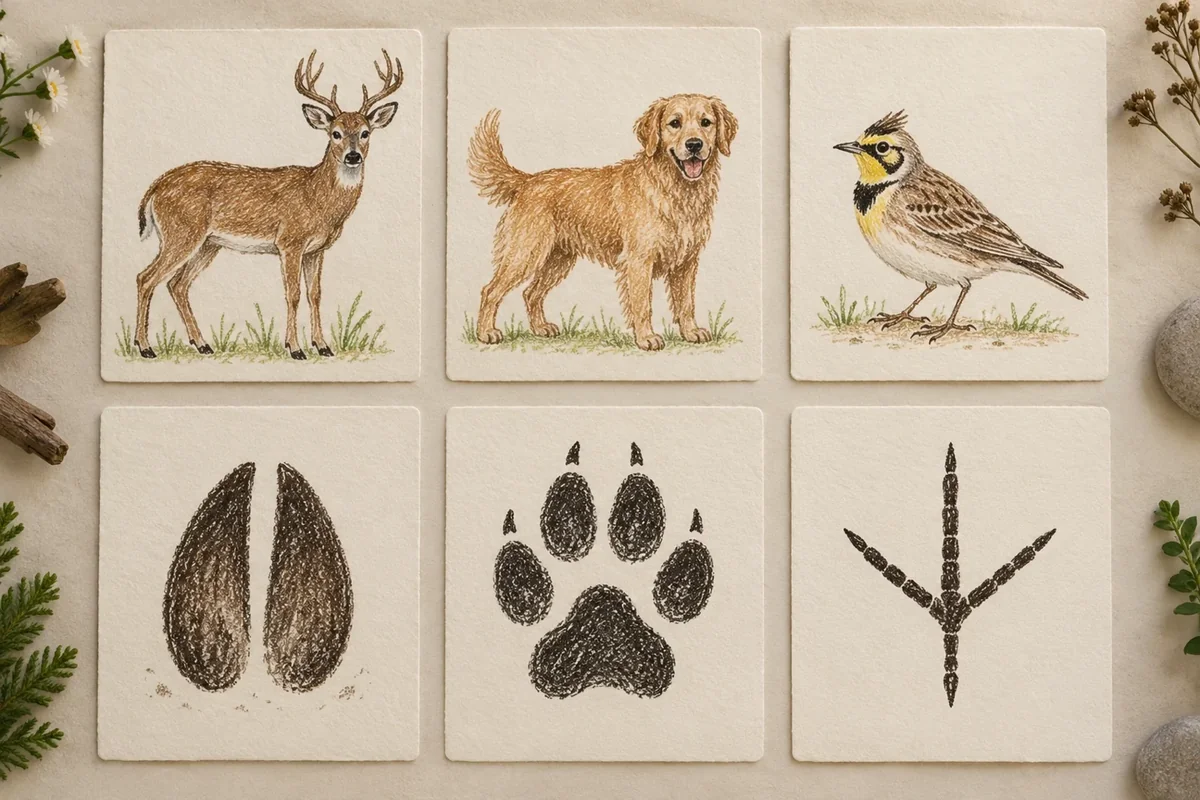
An adult prepares three animal pictures and three matching track pictures from a reliable reference. Keep the drawings large and the card backs identical for the memory version. Start with a split hoof, a four-toed paw, and a clearly drawn bird footprint rather than visually similar mammals.
Check the picture details before play. The chosen perching-bird footprint should show three toes forward and one back; other birds can have different arrangements. Mark these as simplified pictures during the explanation, and keep the reference available when children ask about a feature.
Make it step by step
- Prepare three accurate pairs. Use the National Park Service track reference to make an animal picture and its corresponding print for deer, dog, and bird. Draw large, simple shapes without claiming exact size. A deer print has two main hoof halves; a typical dog paw shows four toes and a pad; a common perching-bird example shows three toes forward and one back.
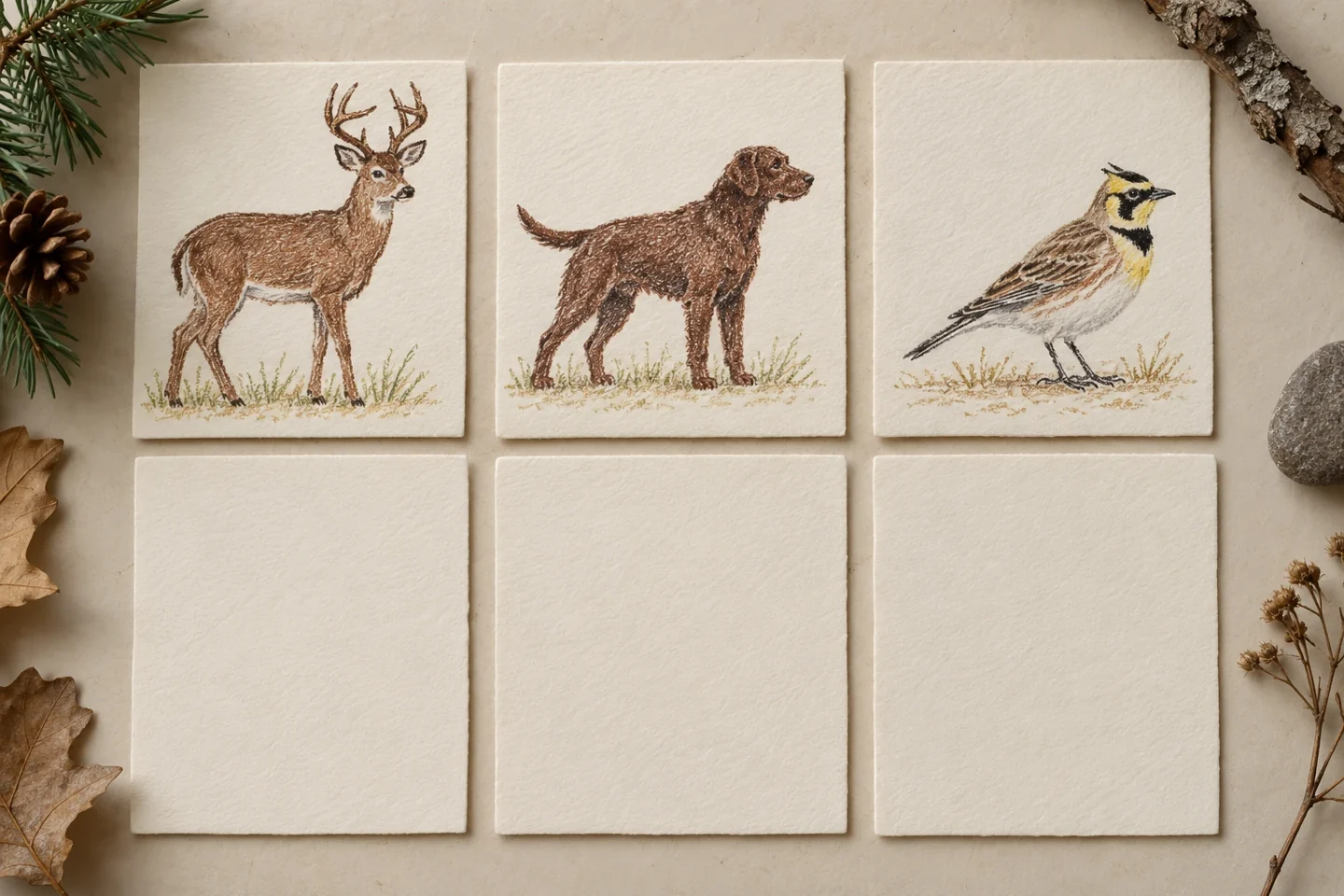
deer dog small bird on three cards. - Look at one print together. Set the deer and dog prints side by side. Ask what is different before naming either animal: how many parts can they see, and are those parts long or rounded? Explain that a craft picture leaves out details found in real tracks. Outdoors, the ground surface, print size, and sequence of steps also matter.
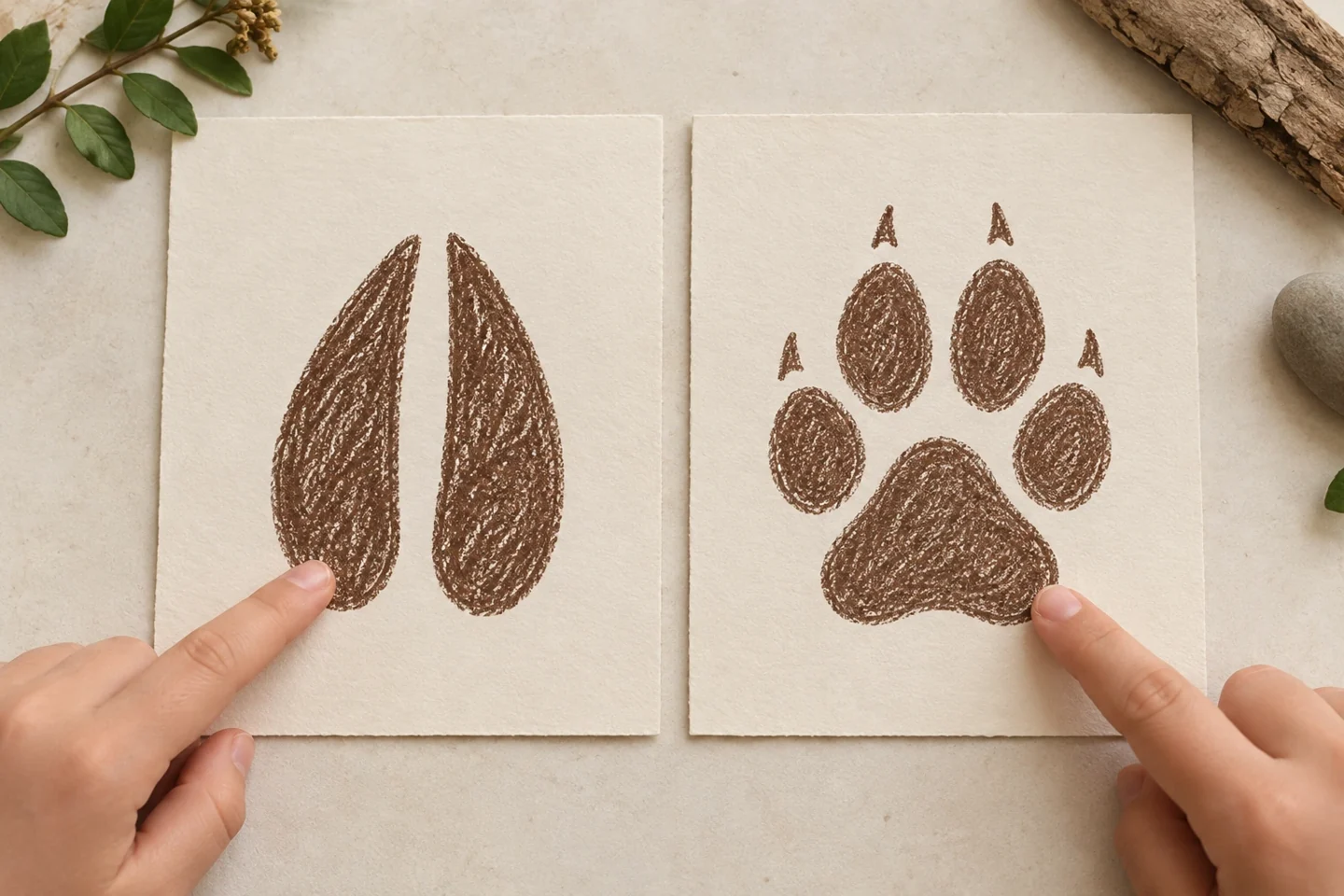
Close deer split-hoof print and dog paw print compared side by side, dog has four round toes and one pad with small claw marks, deer has exactly two elongated hoof halves. - Match the pictures. Place the three animal cards in one row and the shuffled track cards below them. Let children move one track to an animal and describe the feature they used. Return to the reference if a pair seems uncertain. This is a comparison game, not a test of whether children already know wildlife identification.
- Make a pretend trail. On extra paper, repeat one selected track shape in a short line. Put the matching animal card at the end. Compare a trail of bird prints with a trail of hoof prints, keeping the same simplified shape throughout each trail. Do not invent a realistic gait pattern unless you have checked a reference for that animal.
- Try a memory round. Turn the six cards face down in two rows. Each player turns over two and keeps an animal-track pair only when the pictures match. Return unmatched cards to the same places. With three pairs, the game stays short enough to replay. Finish by asking which visual clue helped most.
Talk, notice, and explore
Ask, “Which print has two main halves, and which has a pad with separate toes?” Compare the pictures before naming animals. Invite children to point to the feature that supports a match. Describing the evidence matters more than guessing an animal quickly.
For the pretend trail, ask what information the repeated prints show and what they leave out. These cards do not show exact size, gait, or ground conditions. Outdoors, a partial print may remain uncertain, and noticing that uncertainty is part of careful observation.
Add a describing turn before the memory game: one player chooses a print and describes its parts while the other finds it among the three face-up cards. Start with obvious clues such as two long halves or four rounded toes. Swap roles so each child practices both describing visual evidence and listening for it.
Make it work at home or in a classroom
Younger children can play with two pairs and face-up cards. Older children can add another researched animal, noting which prints might be confused. In a classroom, give each small group a reference sheet and three pairs. Indoor play remains worthwhile when outdoor conditions are unsuitable or no tracks can be found.
Helpful fixes, cleanup, and keeping the result
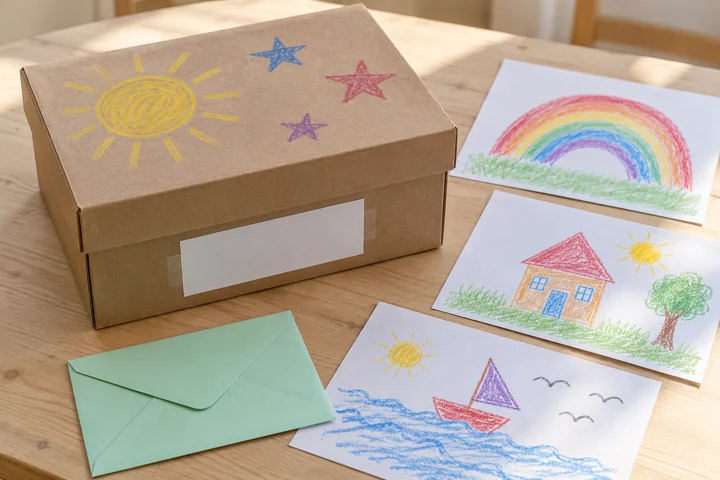
If a print drawing is unclear, redraw it larger using the verified reference. Real tracks may be partial or distorted, so avoid promising that these cards identify every outdoor print. Observe wildlife signs from a distance and leave animals undisturbed. Store cards together in an envelope so animal and track pictures remain paired.